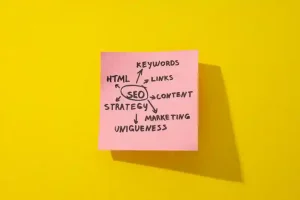

Search engine optimization has become one of the most important digital marketing channels for businesses seeking sustainable online growth. Every day, billions of searches are performed across search engines as people look for products, services, information, comparisons, reviews, locations, and solutions to specific problems. As search behavior has evolved, businesses have recognized that ranking for a handful of keywords is no longer enough. To compete effectively, organizations often need visibility across thousands of relevant search terms.
Traditionally, SEO involved manually creating content for individual keywords or topics. While this approach remains valuable for many content types, it becomes increasingly difficult to scale when businesses want to target large numbers of search queries. Creating thousands of pages manually requires significant time, resources, and operational effort. This challenge led to the development of a more scalable approach known as programmatic SEO.
Programmatic SEO combines automation, structured data, templates, and search optimization principles to create large numbers of highly targeted pages. Rather than building every page from scratch, businesses use repeatable frameworks that allow information from databases or datasets to populate page templates automatically. When implemented correctly, this approach helps organizations reach broad segments of search demand while maintaining relevance and usefulness.
Today, programmatic SEO plays a major role in the growth strategies of many SaaS companies, marketplaces, travel websites, directories, financial platforms, and e-commerce businesses. Understanding how programmatic SEO works and why it has become so influential can help marketers, business owners, and SEO professionals identify opportunities for scalable organic growth.
Understanding Programmatic SEO
Programmatic SEO is a strategy that uses automation and structured content systems to create large numbers of search-optimized web pages.
These pages are usually generated from:
- databases
- structured datasets
- product catalogs
- location information
- business directories
The goal is to efficiently target many related search queries.
Why Programmatic SEO Exists
Search engines process an enormous number of highly specific searches every day.
Many of these searches fall into repeatable patterns.
Examples include:
- city + service
- product + feature
- industry + software
- country + statistics
Creating individual pages manually for every variation would be difficult.
Programmatic SEO solves this challenge through scalability.
The Core Principle Behind Programmatic SEO
The core idea is straightforward.
Instead of writing thousands of pages individually, businesses create a reusable framework.
This framework combines:
- templates
- structured content
- data sources
- SEO optimization
The result is a scalable content generation system.
How Programmatic SEO Works
A programmatic SEO strategy typically follows a structured workflow.
Several components work together to create search-friendly pages.
Step 1: Identify Search Opportunities
The process begins with keyword research.
Businesses identify patterns where many related search queries exist.
Examples might include:
- best CRM for dentists
- best CRM for lawyers
- best CRM for consultants
These keyword variations share a common structure.
Step 2: Gather Structured Data
Structured data serves as the foundation for most programmatic SEO systems.
Data sources may include:
- product databases
- location information
- business listings
- financial records
- industry datasets
The quality of this information strongly influences page quality.
Step 3: Build Page Templates
Templates provide the structure for generated pages.
Templates may include:
- page titles
- headings
- content blocks
- data displays
- internal links
Templates ensure consistency while supporting scalability.
Step 4: Generate Pages
Automation systems populate templates using structured data.
This process can create:
- hundreds of pages
- thousands of pages
- millions of pages
depending on the available dataset.
Step 5: Optimize for Search Engines
Generated pages still require SEO optimization.
Common elements include:
- title tags
- meta descriptions
- URL structures
- heading hierarchies
- internal links
Optimization improves discoverability and relevance.
The Difference Between Traditional SEO and Programmatic SEO
Although both approaches aim to improve search visibility, their methods differ significantly.
Traditional SEO
Traditional SEO often involves:
- manual content creation
- topic-focused articles
- individual optimization efforts
This approach works well for educational and informational content.
Programmatic SEO
Programmatic SEO emphasizes:
- automation
- scalability
- repeatable frameworks
- structured information
It is particularly useful when large keyword sets share similar patterns.
Industries That Benefit From Programmatic SEO
Certain industries are especially well suited for this strategy.
These businesses often possess large amounts of structured data.
SaaS Companies
Software companies frequently create pages targeting:
- industries
- use cases
- integrations
- feature comparisons
Programmatic SEO supports large-scale visibility.
Travel Platforms
Travel websites often generate pages for:
- destinations
- hotels
- routes
- attractions
The large number of searchable combinations makes automation valuable.
Job Boards
Employment platforms commonly use programmatic SEO for:
- job titles
- locations
- industries
This approach helps capture highly specific searches.
Marketplaces
Marketplaces often generate pages for:
- products
- categories
- locations
- vendors
Programmatic systems make this possible at scale.
Business Directories
Directories frequently rely on structured business information.
Programmatic SEO allows these listings to become searchable content assets.
Benefits of Programmatic SEO
When implemented properly, programmatic SEO offers several advantages.
Scalability
Scalability is the primary benefit.
Organizations can target thousands of search queries without creating every page manually.
This dramatically expands potential search visibility.
Increased Organic Traffic
Each page may attract only a small amount of traffic individually.
Collectively, however, large numbers of pages can generate substantial organic growth.
Efficient Content Production
Automation reduces repetitive content creation tasks.
Teams can focus more attention on strategy, optimization, and quality control.
Competitive Visibility
Organizations that successfully scale content often establish strong positions across large keyword segments.
This can create significant competitive advantages.
Long-Tail Keyword Targeting
Long-tail keywords are one of the biggest strengths of programmatic SEO.
These searches tend to be:
- highly specific
- intent-driven
- less competitive
Collectively, they represent enormous traffic potential.
Understanding Search Intent
Search intent refers to the reason behind a user’s query.
Programmatic SEO works best when pages align closely with user expectations.
Understanding intent improves both rankings and user satisfaction.
Important Components of a Programmatic SEO Strategy
Several elements contribute to successful implementation.
Content Quality
Search engines increasingly prioritize helpful and relevant content.
Quality remains important even when pages are generated at scale.
Data Accuracy
Poor data often results in poor pages.
Reliable datasets are essential for long-term success.
Internal Linking
Internal links help:
- improve navigation
- distribute authority
- support indexing
Strong internal linking structures are particularly important for large websites.
Technical SEO
Large-scale content systems require strong technical foundations.
Areas of focus include:
- crawlability
- indexing
- site architecture
- page speed
Technical issues can significantly affect performance.
Common Programmatic SEO Mistakes
Many projects fail because businesses focus exclusively on scale.
Several mistakes occur frequently.
Thin Content
Pages that offer little value beyond basic information often struggle to perform well.
Quality should never be sacrificed for volume.
Duplicate Content
Excessive duplication can reduce usefulness and create indexing challenges.
Pages should provide meaningful differentiation.
Poor User Experience
Users must be able to find information easily.
Complicated navigation and weak design can reduce engagement.
Ignoring Search Intent
A page may be technically optimized but still fail if it does not address user needs.
Intent alignment remains essential.
The Role of Automation
Automation is central to programmatic SEO.
However, automation should support value creation rather than replace it.
Successful systems combine automation with strategic oversight.
Human Involvement Still Matters
Despite automation, human expertise remains critical.
Teams often contribute through:
- content strategy
- template design
- SEO analysis
- quality assurance
Human oversight improves long-term performance.
Programmatic SEO and User Experience
User experience influences both engagement and search performance.
Important considerations include:
- readability
- navigation
- design
- page speed
Users should be able to access information quickly and easily.
Measuring Programmatic SEO Success
Organizations typically evaluate performance using several metrics.
These may include:
- organic traffic
- keyword rankings
- click-through rates
- conversions
- engagement statistics
Monitoring performance supports continuous improvement.
Programmatic SEO and Artificial Intelligence
Artificial intelligence is becoming increasingly important within SEO workflows.
AI may assist with:
- content generation
- data analysis
- keyword research
- optimization recommendations
However, human review remains valuable.
The Future of Programmatic SEO
The future of programmatic SEO is likely to involve:
- smarter automation
- AI-enhanced workflows
- personalized content
- improved search intent modeling
Businesses that prioritize quality alongside scalability will be best positioned for success.
Companies such as Indeed, Zapier, and Tripadvisor are often cited as examples of organizations that have leveraged large-scale content architectures and structured information systems to build extensive organic search visibility.
Frequently Asked Questions
What is a programmatic SEO strategy?
A programmatic SEO strategy uses automation, structured data, and templates to create large numbers of search-optimized pages.
Why do businesses use programmatic SEO?
Businesses use it to scale content creation, target large keyword sets, and grow organic traffic efficiently.
Is programmatic SEO the same as automated content?
Not exactly. Programmatic SEO involves structured page generation, while automated content creation is only one possible component.
What industries benefit most from programmatic SEO?
SaaS companies, marketplaces, travel websites, job boards, directories, and data-driven businesses often benefit significantly.
Does programmatic SEO still require human involvement?
Yes. Human oversight is important for strategy, quality control, optimization, and user experience improvements.
Conclusion
Programmatic SEO has become one of the most effective methods for scaling organic search visibility in today’s competitive digital landscape. By combining automation, structured data, reusable templates, and search optimization principles, businesses can efficiently target thousands of highly relevant search queries that would be impractical to address manually. This approach enables organizations to expand their reach, capture long-tail traffic, and create sustainable opportunities for growth.
However, successful programmatic SEO is not simply about generating large numbers of pages. Search engines increasingly reward quality, relevance, and user satisfaction. Organizations that focus on providing valuable experiences while leveraging scalable systems are most likely to achieve long-term success. As technology continues advancing and search behavior evolves, programmatic SEO will remain a powerful strategy for businesses seeking efficient and sustainable organic growth.